

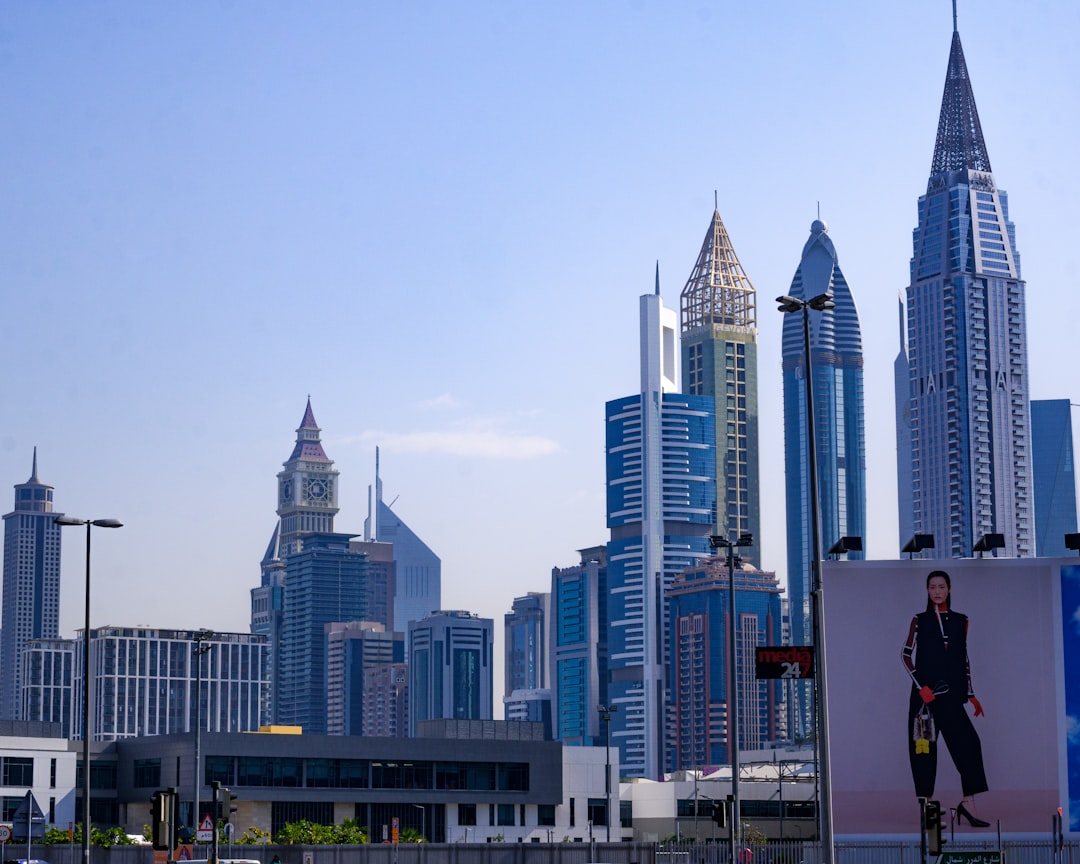
Why Dubai Is the World's Top Destination for Tax-Free Living
Dubai sits at the intersection of zero personal income tax, world-class infrastructure, and genuine global business connectivity. No other city combines all three at Dubai's level. Singapore comes close on infrastructure and business, but personal income tax rates reach 24%. Switzerland has excellent infrastructure but taxes at up to 45% combined federal and cantonal rates.
Dubai alone offers the complete package: no personal income tax, no capital gains tax, no inheritance tax, and a city that functions at the highest international standard.
The UAE Tax Framework
Personal income tax: Zero. The UAE has never imposed personal income tax. This applies to employment income, freelance income, rental income from UAE property, and investment income received personally.
Corporate tax: 9% on business profits above AED 375,000 (approximately USD 102,000), effective June 2023 [source]. Qualifying Free Zone companies that meet substance requirements can maintain 0% on qualifying income [source].
Value Added Tax: 5% on most goods and services [source]. Basic food items, healthcare, and education are zero-rated or exempt.
Capital gains tax: Zero. Gains from selling shares, property, crypto, or any other assets are not taxed personally.
Inheritance tax: Zero. Assets pass to heirs without tax.
Visa Options for Relocating to Dubai
Free Zone Company Visa
The most popular route for entrepreneurs and remote workers. You establish a company in one of Dubai's Free Zones, and that company sponsors your residence visa. The visa is typically 2-3 years, renewable. Cost ranges from AED 15,000 to AED 50,000 per year depending on the Free Zone, including company registration, office space, and visa processing.
Popular Free Zones for this purpose include IFZA, DMCC, Dubai South, and Meydan Free Zone. IFZA and Meydan are the most cost-effective, with packages starting around AED 15,000 per year [source].
Golden Visa
A 10-year renewable visa [source] available through real estate investment of AED 2 million [source], starting a qualifying business (entrepreneur pathway via accredited incubator, with startup valuation of AED 500,000; or business investor pathway with AED 2,000,000 invested in a UAE company or fund), being an exceptional talent, or having a salary of AED 30,000 per month in a qualifying field.
The Golden Visa does not require any minimum number of days in the UAE to maintain it.
Freelance Permit
Several Free Zones offer freelance permits for independent professionals in Dubai without establishing a full company. TECOM and IFZA are the main providers. Suitable for writers, designers, consultants, and other independent professionals.
For most entrepreneurs and remote workers, the Free Zone company visa is the cleanest and most flexible option. It gives you a business entity that can invoice clients, receive payments, and sponsor your own visa, all within a single package that costs less than one month's salary in most high-tax European countries.
Setting Up Your Free Zone Company
Choose your Free Zone: Match the Free Zone to your business activity. Technology companies often choose Dubai Internet City or DIFC. General service businesses or remote workers use IFZA, Meydan, or Dubai South. IFZA is currently the most popular for cost-effectiveness.
Choose your business activity: Free Zones have specific lists of permitted activities. You must select activities that match your actual business.
Select your office type: Options range from a flexi-desk at the lowest cost to a dedicated office. Flexi-desk is sufficient for most freelancers and small businesses, costing AED 5,000-15,000 per year.
Apply and pay: The application process takes 1-3 weeks. The Free Zone issues your trade license and then processes your visa application.
Open a bank account: UAE banks have tightened compliance requirements significantly. You will need your trade license, tenancy agreement, and proof of business activity. Plan for this to take 4-8 weeks.
Housing in Dubai
Downtown Dubai and Business Bay: The financial center. One-bedroom apartments from AED 90,000 to AED 150,000 per year. Two-bedrooms from AED 140,000 to AED 250,000.
Dubai Marina and JBR: Waterfront living, popular with young professionals. One-bedrooms from AED 70,000 to AED 120,000.
Palm Jumeirah: Premium island living. Apartments from AED 150,000 per year.
Cost of Living
| Expense Category | Budget | Mid Range | Premium |
|---|---|---|---|
| Apartment 1BR annual | AED 65,000 | AED 95,000 | AED 150,000+ |
| Groceries monthly | AED 800 | AED 1,500 | AED 3,000 |
| Restaurants monthly | AED 1,000 | AED 2,500 | AED 6,000 |
| Health insurance annual | AED 3,000 | AED 7,000 | AED 20,000 |
| Free Zone company annual | AED 15,000 | AED 25,000 | AED 50,000+ |
Exiting Your Home Country Tax Residency
UK: Spend fewer than 46 days in the UK in the tax year, have no UK home, UK employment, or family in the UK, and file a P85 form with HMRC. The UK imposes no exit tax on unrealized gains.
Germany: Deregister your address (Abmeldung), close German bank accounts, not maintain any apartment available for use in Germany, and spend fewer than 183 days per year there. Germany imposes a deemed disposal exit tax on shareholders in companies with more than 1% ownership if shares are worth more than EUR 500,000.
Australia: Establish your domicile outside Australia, not maintain a permanent place of abode in Australia, and demonstrate intention to remain outside Australia indefinitely. Australia imposes capital gains tax on deemed disposal of most assets at departure.
US Citizens: Moving to Dubai does not eliminate US tax obligations. The only complete escape is renouncing US citizenship, which triggers an Exit Tax if your net worth exceeds USD 2 million. Americans in Dubai can use the Foreign Earned Income Exclusion to exclude employment income up to USD 126,500 in 2026.
The most important thing to understand about tax residency exit is that it requires ongoing maintenance. One year of spending too many days in your home country can restart your tax residency retroactively.
Common Mistakes to Avoid
Keeping a home in your origin country: Even if you do not rent it out, maintaining a home you could return to at any time is a strong indicator of continued tax residency in most jurisdictions. Sell it or rent it out on a long-term lease.
Visiting your home country too frequently: Know your home country's day-count thresholds and track your days carefully.
Not building genuine ties to Dubai: Membership in Dubai gyms, clubs, and professional associations, UAE-based bank accounts, and local relationships all help demonstrate that Dubai is your genuine new home.
Assuming UAE company structure eliminates all tax: If you are a US citizen, a German citizen with German-source income, or a UK citizen who visits too frequently, your UAE company may not eliminate your obligations in your origin country.
Sources
- Federal Decree-Law No. 47 of 2022: UAE Corporate Tax
- UAE FTA: Corporate Tax Overview
- ICP: UAE Golden Visa Official Portal
- UAE Cabinet Resolution No. 65 of 2022: Golden Visa
- Federal Decree-Law No. 8 of 2017: UAE VAT
- IFZA: Free Zone License Packages